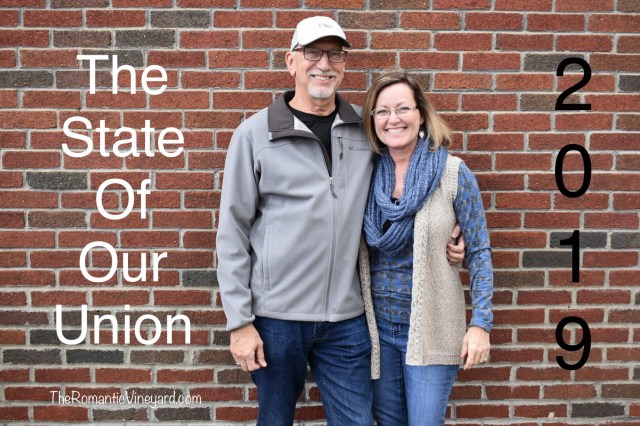
It’s January, but more surprising than that–it’s 2019! It seems like yesterday when we were concerned about Y2K. We blink and time flies by at record pace. Yet it stays the same. Seconds turn to minutes. Minutes turn to hours. Hours turn into days, and then we ring in another New Year.
This begs the question, how do we spend our time?
Octavius Winslow said, “Time is a solemn and priceless gift, and involves a responsibility and an account of a most tremendous character.”
It is good at the end of the year to contemplate how we spent our time. It is also good to think of how we have invested in our primary relationship–our marriage. This is why we should consider the following questions in order to determine the state of our marriage union. Don’t delay. Before you know it 2020 will be knocking on our door. Today is the only day we can influence for either good or evil. Let’s choose the former.
1. What significant discoveries have you made about yourself? Think on what you’ve learned in personal Bible study. Talk openly with your spouse about the challenge this has been for you or the victories you have had.
2. What are at least three ways God has blessed us this year? Spend time thanking Him specifically together in prayer.
3. What has been the biggest challenge for us and our marriage this past year? How have I helped or hindered you in dealing with it?
4. When we consider how we communicate, how are we doing in terms of openness and depth of conversation? How do our needs and expectations differ?
5. In what ways have you felt cherished by me? Spend time evaluating this question together.
6. In regard to our sexual intimacy, how satisfied are you with our relationship? In what ways can we grow in our love and understanding of each other?
May we all purpose this year to be more intentional in how we spend our time.
We close with another quote from Mr. Winslow, “Time is the preface to eternity. And as the preface indicates the character of the volume, so our present use of time is the foreshadowing of our future eternal history. ”